Why Professional Mold Remediation in Gettysburg PA Matters for Your Home
If you have lived in south-central Pennsylvania for any length of time, you know that our weather keeps things damp. Spring runoff, summer humidity, and the occasional flash flood from a thunderstorm all put extra moisture into basements, crawlspaces, and wall cavities. Mold follows moisture, and once it settles in, it does not leave on its own. I have spent years working with homeowners in Adams County, and I have seen what happens when people try to tackle a mold problem with a bottle of bleach and a scrub brush. That approach almost never works, and sometimes it makes things worse.
The trouble is that mold is not just a cosmetic nuisance. It degrades building materials, triggers allergies and respiratory issues, and lowers the value of your property. If you suspect mold is growing in your home, you need more than a surface clean. You need a methodical approach that identifies the source of moisture, removes the contaminated material safely, and prevents regrowth. That is where professional help comes in, and that is why mold remediation gettysburg pa Gettysburg PA Mold Remediation Pros has become the go-to resource for local property owners who want the job done right.
Why Mold Is More Than an Eyesore
Mold spores are everywhere in our environment. Outdoors they are harmless. Indoors, when they land on a damp surface, they start colonizing within 24 to 48 hours. The real problem is not the spores themselves but the mycotoxins and volatile organic compounds that some molds release. Black mold, or Stachybotrys chartarum, is the one that gets the most attention, but other species like Aspergillus and Penicillium can also cause health problems, especially for children, older adults, and anyone with a compromised immune system.
I once inspected a home near the battlefield where the owners had been living with a musty smell for months. They thought it was just an old house smell. When I pulled back the baseboard in their finished basement, I found a thick layer of mold growing on the drywall that had been wicking moisture from a slow plumbing leak. The family had been breathing that air every day. That is the kind of hidden problem that does not show up on a home inspection report unless you look in the right places.
What Professional Remediation Actually Involves
People often ask me what mold remediation gettysburg pa Gettysburg PA Mold Remediation Pros does differently from a general contractor or a handyman. The answer comes down to training, equipment, and containment. You cannot just scrape off visible growth and hope for the best. Mold has microscopic roots called hyphae that penetrate porous materials like drywall, wood, and grout. If you only treat the surface, the roots remain and the mold comes back, sometimes within weeks.
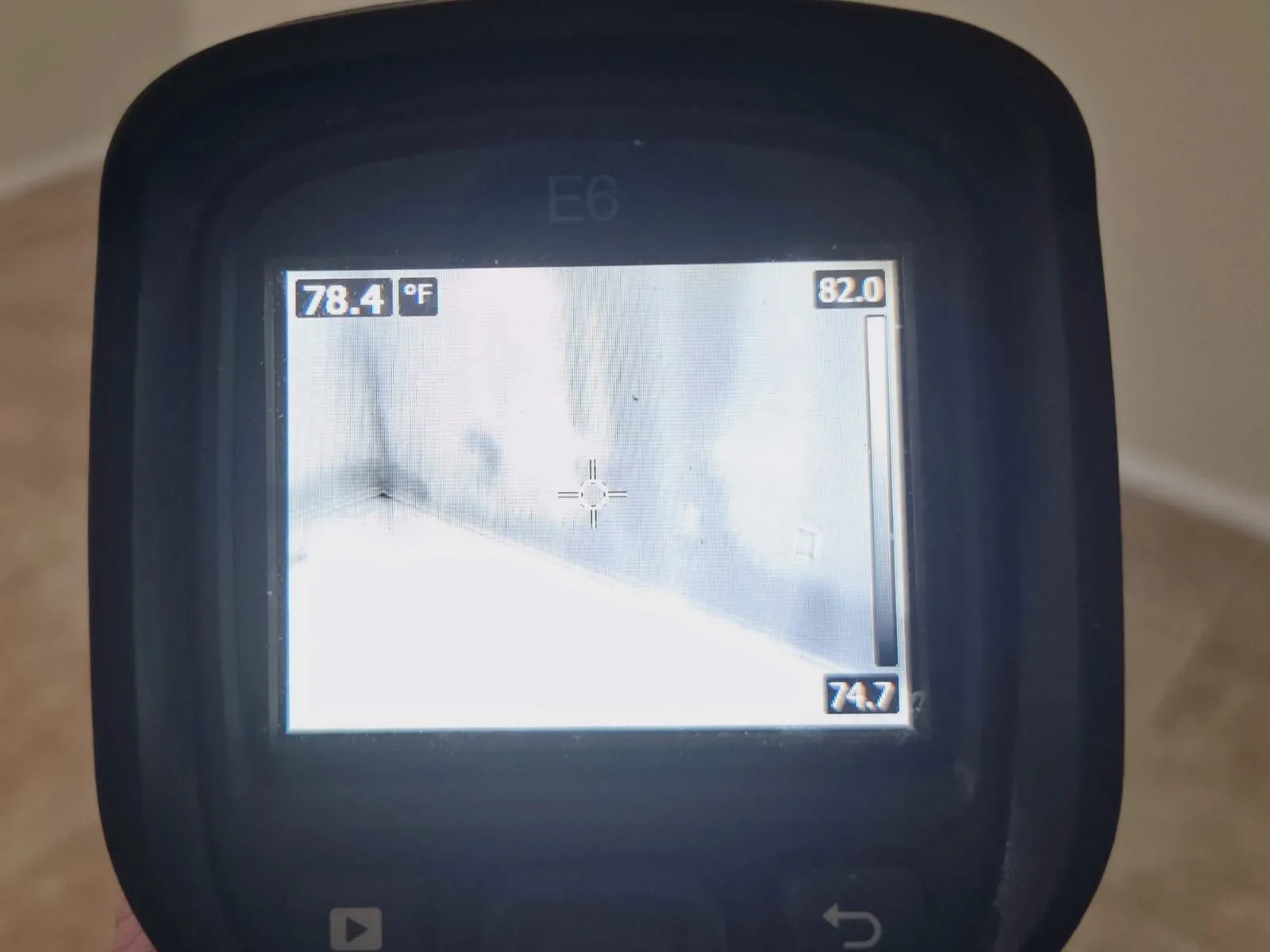
A proper mold remediation job starts with a thorough inspection, often including moisture mapping with a thermal camera and a moisture meter. The goal is to find every source of moisture, not just the visible mold. Once the source is identified and repaired, the remediation team sets up containment. That means sealing off the work area with plastic sheeting and using negative air pressure machines with HEPA filters so that spores do not travel into the rest of the house.
Then the actual removal begins. Soft materials like carpet, drywall, and insulation that are heavily contaminated usually have to be cut out and bagged for disposal. Hard surfaces like concrete, tile, and metal can be scrubbed with antimicrobial detergents and sometimes sanded or media blasted if the mold has soaked in. After removal, the area is dried completely, and a final clearance test confirms that spore levels are back to normal. That last step is critical. Without it, you are just guessing that the problem is solved.
Common Mistakes Homeowners Make
I have seen the same errors repeated over the years. Here are the most common ones:
- Using bleach on porous surfaces. Bleach is mostly water. When you apply it to drywall or wood, the water soaks in and feeds the mold deeper. The chlorine evaporates quickly, leaving the moisture behind. Bleach can also cause toxic fumes when mixed with other cleaning products.
- Ignoring the humidity source. You can clean mold a hundred times, but if the basement still has a dirt crawlspace with no vapor barrier, or if the bathroom fan vents into the attic, the mold will return. Remediation without moisture control is a temporary fix at best.
- Painting over mold. Some people try to prime over mold with a stain-blocking paint. This traps moisture inside the wall and often causes the paint to peel while the mold continues growing behind it. It is a waste of time and money.
- DIY fogging or ozone treatments. These products kill airborne spores but do nothing to remove the source of the mold. Dead mold can still trigger allergic reactions, and the body of the mold remains on surfaces where it can rot and attract insects.
- Waiting too long. Mold damage is progressive. A small spot behind a toilet that is ignored for six months can turn into a full wall replacement. Early intervention saves money and reduces health risks.
When to Call a Professional
Not every patch of mildew on a shower curtain requires a remediation crew. Small areas of surface mold on non-porous surfaces can often be cleaned with a diluted vinegar solution or a commercial cleaner designed for that purpose. But there are clear signs that you are past the DIY stage. If the affected area is larger than about three feet square, if you smell a persistent musty odor, if anyone in the house is experiencing allergy symptoms that improve when they leave, or if the mold is growing on building materials like drywall or wood, it is time to bring in experts.
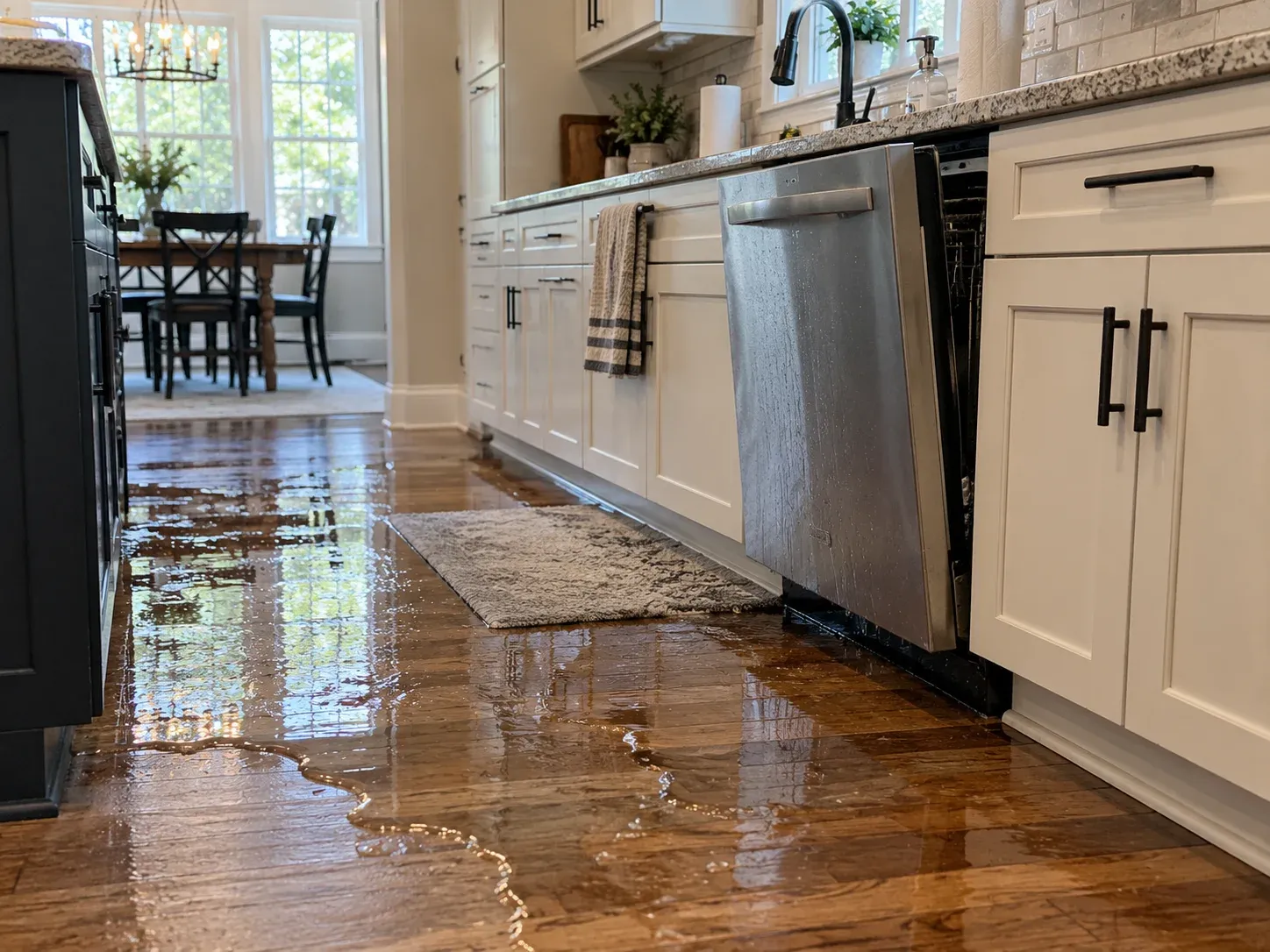
Another situation that demands professional help is when mold is caused by sewage backup, floodwater, or any Category 3 water damage. Those waters contain bacteria and other pathogens that complicate the cleanup. In those cases, the remediation team also has to follow biohazard protocols. That is not something a homeowner should attempt on their own.
Why Local Knowledge Matters
Gettysburg has its own set of challenges when it comes to mold. Many of the older homes in the area have stone foundations and dirt basements. Those basements are naturally damp because groundwater seeps through the stone and evaporates into the air. Without a proper vapor barrier and dehumidification, that space becomes a mold incubator. Newer homes have their own issues, often related to improper grading, clogged gutters, or HVAC systems that do not remove enough humidity.
A local company like Gettysburg PA Mold Remediation Pros understands these patterns because they see them every day. They know which neighborhoods have chronic drainage problems. They know which building materials hold up best in our climate. And they have established relationships with local water damage restoration contractors, plumbers, and insurance adjusters, which means a faster, smoother recovery process when something goes wrong.
Working With Insurance
One question I hear a lot is whether mold remediation is covered by homeowners insurance. The answer depends on the cause. If the mold is a direct result of a covered peril, like a burst pipe or a storm-related roof leak, most policies will pay for the remediation and the repairs to the structure. But if the mold was caused by long-term neglect, such as a slow leak that was never fixed, or by high humidity without a specific event, coverage is usually denied. That is why it pays to act fast. The longer you wait, the easier it is for an adjuster to argue that the damage was gradual and therefore excluded.
A good remediation company can document the cause and extent of the damage in a way that helps your claim. They take photos, moisture readings, and spore counts, and they provide a written protocol for the work. Those records can make a big difference if the claim is disputed.
Prevention After Remediation
Once the mold is gone, the goal is to keep it gone. That usually means addressing the underlying moisture issue. Sometimes that is as simple as running a dehumidifier in the basement and keeping the humidity below 50 percent. Other times it requires more involved work, like installing a sump pump, regrading the yard, or adding insulation to cold surfaces that cause condensation. In crawlspaces, laying down a heavy polyethylene vapor barrier and sealing vents during the humid months can make a dramatic difference.
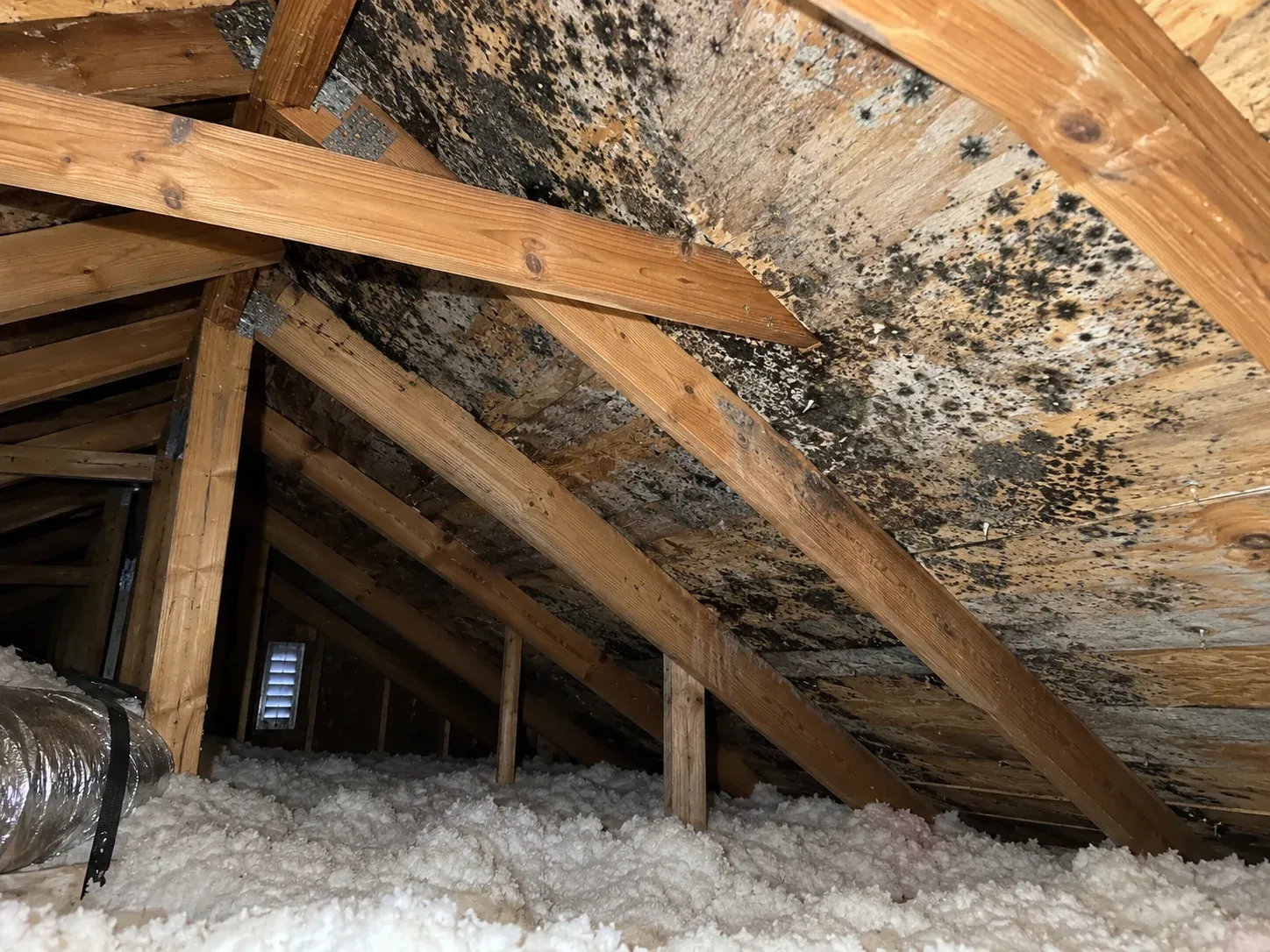
Regular maintenance also helps. Clean gutters in the fall and spring, check for plumbing leaks under sinks and around toilets, and make sure bathroom fans vent to the outside, not into the attic. If you have a crawlspace, inspect it at least twice a year. Most people never go down there, but that is exactly where problems start.
Mold remediation gettysburg pa Gettysburg PA Mold Remediation Pros offers post-remediation follow-ups and can advise on the best long-term solutions for your specific home. The key is to treat mold as a symptom, not the disease. The disease is moisture. Fix that, and you solve the problem at its root.
Follow Gettysburg PA Mold Remediation Pros on
 LinkedIn
 Facebook
 YouTube
 Pinterest